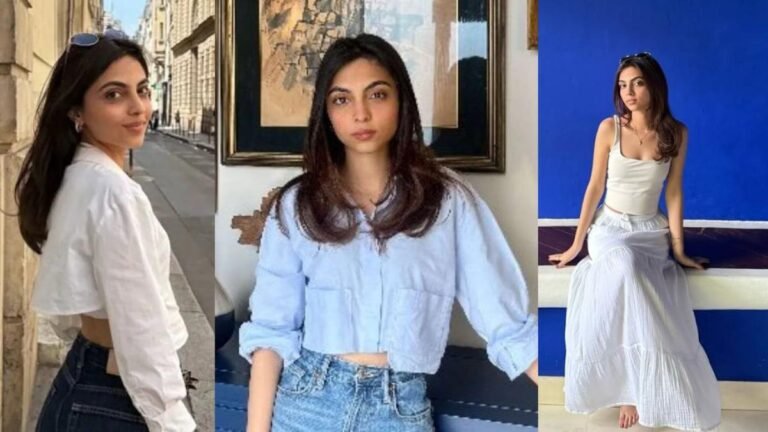
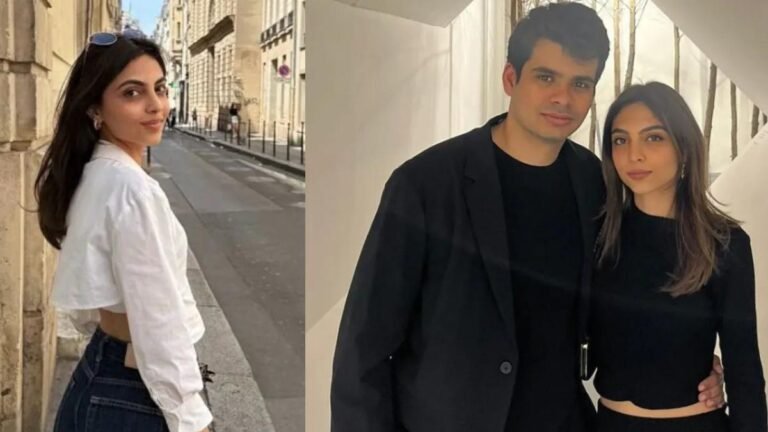
Paris Fashion Week के एक viral पल में Aaradhya Bachchan ने भीड़ और कैमरों के बीच low-key रहते हुए attention से बचना चुना। ये छोटा-सा gesture, असल में एक बड़ा सवाल उठाता है—आज की Gen-Z celeb kids अपनी privacy कैसे define करती हैं, और media-pap culture की boundary कहाँ खिंचती है?
By Priya Mehra, Bollywood News Specialist – Fact-checked and reviewed by our editorial team – Updated 29 September 2025, 16:00 IST
Highlights / खास बातें:
- Viral Paris क्लिप: Aishwarya–Aaradhya की public spotting, fans के बीच warm interaction, और daughter का camera-light से दूर रहना।
- Indian playbook: Anushka–Virat जैसे parents ने बार-बार privacy की मांग की; कई बार TV/online पर breach भी हुआ।
- Global trend: Gigi Hadid, George Clooney ने open letters लिखकर बच्चों के चेहरे blur/नो-पब्लिश नीति मांगी।
- Industry debate: Alia Bhatt के repeated privacy notes ने India में pap culture vs consent पर चर्चा तेज की।
पृष्ठभूमि और संदर्भ (Background & Context)
Aishwarya Rai Bachchan की Paris उपस्थिति ने fashion और fandom दोनों मोर्चों पर buzz बनाया—एक video में वो एक रोती हुई fan को गले लगाकर शांत करती दिखीं; वहीं Aaradhya का subtle, low-key stance कैमरों से दूरी का संकेत देता दिखा। ये combo—star warmth + kid privacy—आज के celeb-family narratives का नया normal बनता जा रहा है। कवरेज और viral क्लिप्स ने इसी vibe को capture किया। (The Times of India)
India में पिछले कुछ सालों में celeb-kids coverage को लेकर consent सबसे बड़ा कीवर्ड बना है। Anushka Sharma–Virat Kohli ने बार-बार appeal की कि उनकी बेटी Vamika की तस्वीरें न शूट/प्रकाशित हों; इसके बावजूद 2022 में live telecast पर face दिखने से बड़ा online debate खड़ा हुआ—news outlets और fans के reactions तक documented हैं। (www.ndtv.com)
Global front पर, supermodel Gigi Hadid ने 2021 में paparazzi/press/fan accounts को खुला पत्र लिखकर बेटी Khai के चेहरे blur करने की अपील की; उसी साल George Clooney ने UK tabloids को letter भेजकर बच्चों की images न छापने की public request रखी। इन gestures ने Western media में no-kids policy और blur norms पर नई गंभीरता पैदा की। (People.com)
मुख्य विश्लेषण (The Core Analysis)
1) Low-Key is the New Loud: Aaradhya का subtle signal
Gen-Z celeb kids (जो अक्सर parents के साथ public में दिखते हैं) increasingly agency दिखा रहे हैं—कब कैमरा face करना है, कब नहीं। Paris में Aaradhya का low-key रहना इसी agency का practical रूप लगता है: न drama, न overt shielding—बस polite avoidance. Coverage में mother–daughter की public warmth और child’s privacy preference, दोनों साथ-साथ पढ़े गए। (The Times of India)
2) Indian Playbook: Appeal, Coordination, और कभी-कभी Breach
- Appeals & Agreements: Virat–Anushka ने photographers से बार-बार request की—faces न शूट करें; कई outlets ने मान भी लिया, पर live sports या crowd settings में slips हुईं। (www.ndtv.com)
- Pap Culture Reality: Mumbai-centric pap scene में mutual understanding बहुत कुछ सेट करता है—कभी face blur, कभी camera-down callouts; पर social virality का दबाव breach की संभावना बढ़ाता है। Trend pieces और recent spot-reports इसी tension को capture करते रहे हैं। (The Times of India)
- Repeat Reminders: Alia Bhatt ने 2023 से 2025 तक बार-बार privacy notes शेयर किए—घर/प्रॉपर्टी की inside-shots जैसे मामलों पर—जो बताता है कि consent-lines बार-बार test होती हैं। (The Independent)
3) Global Template: Formal ‘No-Kids’ Requests & Blur Norms
US/Europe में कई celebs ने formal letters/IG stories के ज़रिए बच्चों की images blur/नो-पब्लिश की नीति मांगी।
“Our wish is that she can choose how to share herself with the world when she comes of age.” — Gigi Hadid, open letter (2021) (People.com)
“We cannot protect our children if any publication puts their faces on their cover.” — George Clooney, open letter (2021) (Deadline)
इन appeals के बाद कई outlets/fan-pages ने face-blur और angle-avoid के self-rules follow करना शुरू किया—complete नहीं, पर visible shift ज़रूर। Coverage और analyses में यही documented है। (Vogue)
4) Ethics vs Virality: Social Media का ‘always-on’ pressure
Bold truth: social feeds पर “first look” की दौड़, किसी भी informal समझौते को पलभर में तोड़ सकती है। Indian ecosystem में TV/live-events/airport-pap—all funnel into the same feed. इसलिए parents की strategy अब तीन चीज़ों पर टिकी है—clear requests, on-ground coordination, और post-fact takedown/blur. Deccan Chronicle/TOI जैसे round-ups ने blur-trend को पिछले सालों में document किया। (Deccan Chronicle)
इंडस्ट्री और एक्सपर्ट्स की राय (Industry & Expert Opinions)
“Private spaces are not fair game for content.” — Alia Bhatt का recurring stance, जिसने consent-based coverage की बहस को mainstream में रखा। (The Indian Express)
“Blur the child’s face.” — Gigi Hadid का public ask, जिसे कई Western outlets ने gradually adopt किया। (People.com)
“No photos of our children.” — George Clooney की direct appeal, जो security risk angle को foreground में लाती है। (Variety)
Indian vs Global: Quick Reference Table (Policies & Patterns)
| पहलू | India (Bollywood) | Global (US/Europe) |
|---|---|---|
| Typical Ask | Pap से informal understanding: faces blur/नो-shoot; event-wise coordination | Open letters/IG notes, कुछ outlets की no-kids policy |
| Compliance Level | Mixed: airport/stadium/live telecast में slips देखी गईं | Higher in print/web; social fan-pages में still variance |
| Enforcement | Case-by-case takedown requests; moral pressure | Legal/PR pressure + advertiser-sensitive guidelines |
| Recent Triggers | Vamika face telecast debate; Alia’s home-privacy notes | Gigi Hadid/Clooney letters; tabloids policy debates |
इसका क्या मतलब है? (The Bigger Picture)
Aaradhya जैसे Gen-Z celeb kids के लिए low-key presence एक workable middle-path बन रहा है—public में रहें, पर self-chosen visibility के साथ। Parents की playbook भी evolve हो चुकी है: pre-agreed norms + quick blur + calm callouts. Long-term में, यही mix India में भी structured, consent-first culture को push कर सकता है।
आगे क्या?
- Red-carpet/airport पर designated angles और no-flash at minors जैसे micro-rules बढ़ सकते हैं।
- Outlets/PR teams blur-by-default workflows अपनाएँगी—खासकर reels/shorts में।
- Fans/fan-pages के लिए creator guidelines (do/don’t) clearer होंगी—parent statements पर pinned references के साथ।
निष्कर्ष
Aaradhya का camera-avoid करना कोई awkward moment नहीं, बल्कि new-age boundary-setting का संकेत है। Indian pap culture पहले से ज़्यादा consent-aware है, पर social virality की रफ़्तार इसे बार-बार test करती है। अगर celebs के clear asks, media की responsible editing और fans की empathy एक साथ चले—तो privacy-with-presence संभव है।
FAQ
Q1. Aaradhya का Paris वाला moment क्यों चर्चा में है?
क्योंकि mother–daughter की public warmth के साथ child का low-key, camera-avoid stance नई-जेन privacy को परिभाषित करता दिखा। (The Times of India)
Q2. India में celeb-kids coverage पर कोई तय नियम हैं?
ज़्यादातर informal understandings और case-by-case requests—कई outlets face blur करते हैं, पर live events में slips हो जाती हैं। (www.ndtv.com)
Q3. Global celebs क्या follow करते हैं?
Open letters/IG notes के ज़रिए blur/नो-पब्लिश मांग—Gigi Hadid और George Clooney के examples सबसे cited हैं। (People.com)
Source Links:
- Aishwarya–Aaradhya Paris spotting & viral fan moment (coverage): Indian media round-ups. (The Times of India)
- Anushka–Virat privacy debate (Vamika telecast incident): NDTV, TOI archive. (www.ndtv.com)
- Alia Bhatt’s repeated privacy notes: Indian Express, India Today, Dawn recap. (The Indian Express)
- Global ‘no-kids’ appeals: Gigi Hadid open letter, Clooney letters/policy debate. (People.com)