
अगर आपको Mirai का anime-style spectacle देखते हुए Pathala Bhairavi और Jagadeka Veerudu Athiloka Sundari की याद आई—तो आप सही ट्रैक पर हैं। तेजा सज्जा की हालिया फिल्मों ने तेलुगु सिनेमा की सोशल-मिथ/फैंटेसी परंपरा को नए VFX-युग की भाषा दी है—जहाँ पुरानी लोककथाएँ, आज की tech-aesthetics के साथ remix होकर सामने आती हैं।
Byline: By Priya Mehra, Bollywood News Specialist — हमारी संपादकीय टीम द्वारा फैक्ट-चेक्ड — Updated: 12 September 2025, 7:00 PM IST
Highlights / ख़ास बातें
- Legacy → Now: Pathala Bhairavi जैसे क्लासिक्स ने “folklore-meets-fantasy” की बुनियाद रखी; Hanu-Man/Mirai ने उसे myth-tech expression दिया।
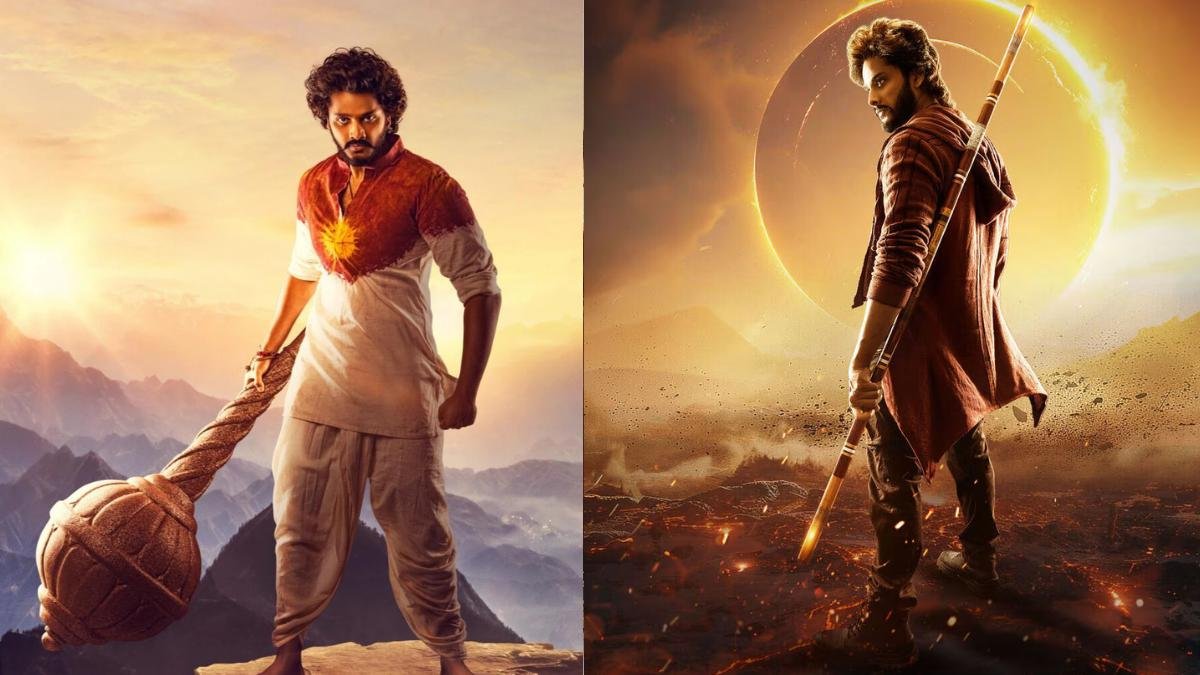
- Teja Sajja arc: Hanu-Man ने mythology × superhero ब्लेंड से भरोसा जीता; Mirai में वही intent अधिक बड़े-scaled VFX grammar में दिखा।
- Aesthetic shift: painted backdrops/optical tricks से आगे बढ़कर आज की CGI-first set-pieces—पर DNA वही: dev-lore, wonder, और mass-emotion।
- Audience lens: nostalgia के साथ big-screen worthy visual promise—यही इस wave का सबसे बड़ा hook है।
पृष्ठभूमि और संदर्भ (Background & Context)
तेलुगु फैंटेसी की जड़ें पुराने सोशल-फैंटेसी में हैं—जहाँ देव-कथाएँ, चमत्कार और मानवीय इच्छाएँ एक ही फ्रेम में मिलती हैं। Pathala Bhairavi को अक्सर इस परंपरा का स्तंभ माना गया, जिसने लोककथा-आधारित fantasy को मुख्यधारा में टिकाऊ रूप दिया। Film Companion की एक प्राइमर इसे “Indianising fantasy” की मिसाल मानती है—अलादीन-टाइप प्रतीकों को देसी देवी-लोक में गूँथते हुए। (Film Companion)
मुख्य विश्लेषण (The Core Analysis)
1) Legacy Roots: Pathala Bhairavi → Jagadeka Veerudu…
क्यों महत्वपूर्ण? क्योंकि यहीं से “wish-object, sorcerer, divine-intervention” जैसे key tropes लोकप्रिय हुए—और यही grammar आगे की पीढ़ियों ने अपनाया। Jagadeka Veerudu Athiloka Sundari ने 90s में इस socio-fantasy को pop-romance और star-power के साथ सुपरहिट स्केल दिया; हाल में इसकी theatrical re-release ने nostalgia को फिर ताज़ा किया। (The Times of India)
“Paathala Bhairavi draws from One Thousand and One Nights—पर इसे देसी देवी-आधारित फैंटेसी में ढाला गया।” — Film Companion primer। (Film Companion)
2) Teja Sajja का “Myth × Mass” मोड: Hanu-Man
Hanu-Man को दर्शकों/क्रिटिक्स ने घर-जैसी मिथक और सुपरहीरो व्याकरण के संतुलन के लिए सराहा—यानी चिर-परिचित देव-कथाएँ, modern hero-journey के साथ। इस blend ने family entertainer वाली अपील को बढ़ाया और Teja को “fantasy-capable” face के रूप में स्थापित किया। (The Indian Express)
3) Mirai: Anime-Style “Myth-Tech” Universe
Mirai का लुक-एंड-फील anime-style kinetics, bold VFX और myth-meets-modern pitch पर टिका है—यही इसे पुराने socio-fantasy से अलग करता है। शुरुआती क्रिटिक/सोशल chatter ने visuals, interval-design और big-screen quality को endorse किया, भले narrative पर mixed notes आए हों। (Hindustan Times)
4) VFX Evolution: Painted Skies → Pixel-Craft
पुराने दौर की matte paintings/optical tricks आज CG pipelines में translate हो चुकी हैं—पर भाव वही: awe। इस wave में फिल्में practical-plus-digital mix से spectacle पर फोकस बढ़ाती हैं; viewers इसे “goosebumps-intervals” और “theatre-worthy” language में पढ़ते हैं—यही mass-connect बनाता है। (Reception references: reviews/Twitter round-ups). (The Indian Express)
5) बigger picture: Nostalgia × Now का अर्थ
जो लोक-फैंटेसी DNA Pathala Bhairavi/JVAS ने डाला था, वही आज IP-scale fantasy का आधार बन रहा है—characters/dev-lore से shared universe की तरफ़। Hanu-Man ने homegrown superhero को स्वीकार्य बनाया, और Mirai ने दिखाया कि myth-tech language में भी crowd-pleasing grammar लिखा जा सकता है। यह continuity, तेलुगु सिनेमा की fantasy confidence का संकेत है। (The Indian Express)
“Legacy → Now” — झटपट टेबल
| साल/फ़िल्म | Core Hook | Screen Grammar | आज की कड़ी |
|---|---|---|---|
| Pathala Bhairavi (1951) | लोककथा, wish-object, sorcerer | studio craft, painted wonder | परंपरा की बुनियाद |
| Jagadeka Veerudu… (1990) | देव-लोक × mortal romance | socio-fantasy + pop spectacle | 90s का cultural recall |
| Hanu-Man (2024) | mythology × superhero | grounded family tone + CG | homegrown hero-template |
| Mirai (2025) | myth-tech, anime-style action | high-Kinetics VFX, interval peaks | big-screen promise |
Quick Takeaways (सूची)
- DNA वही, डिक्शनरी नई: लोककथा-आधारित wonder अब CG-heavy kinetics में बयान।
- Teja Sajja का USP: familiar देव-लोर के साथ youthful hero grammar—Hanu-Man → Mirai progression।
- Audience math: nostalgia triggers + theatre-scale spectacle = high recall (भले story-notes mixed हों)।
FAQ
Q1. क्या Mirai सच में “anime-style” लगती है?
हाँ—क्रिटिक-रिव्यूज़ ने इसकी anime-flavoured action/aesthetic पर बात की है; visuals को “theatre-worthy” भी कहा गया। (Hindustan Times)
Q2. Hanu-Man को “myth × superhero” क्यों कहा गया?
क्योंकि फ़िल्म ने भारतीय मिथक का पत्ता लेकर सुपरहीरो ढांचा बनाया—family-friendly, rooted टोन के साथ। (The Indian Express)
Q3. “Patala Bhairavi era” की आज क्या relevance है?
उस दौर ने folklore-fantasy की नींव रखी; आज की फिल्मों में वही tropes modern VFX के साथ नया रूप ले रहे हैं—इसे कई विश्लेषणों ने रिकॉर्ड किया है। (Film Companion)
Source Links
- Film Companion — Telugu fantasy primer; Pathala Bhairavi as foundational text. (Film Companion)
- The Indian Express — Hanu-Man review: mythology × superhero blend. (The Indian Express)
- Hindustan Times — Mirai review: “anime-style film…” note. (Hindustan Times)
- The Indian Express — Mirai social reactions: “fusion of myth and modern.” (The Indian Express)
- The New Indian Express — Hanu-Man review: rooted, engaging superhero tale. (The New Indian Express)
- Times of India — Jagadeka Veerudu… 35-year re-release/legacy recall. (The Times of India)
- Wikipedia — Pathala Bhairavi (context/legacy summary). (Wikipedia)