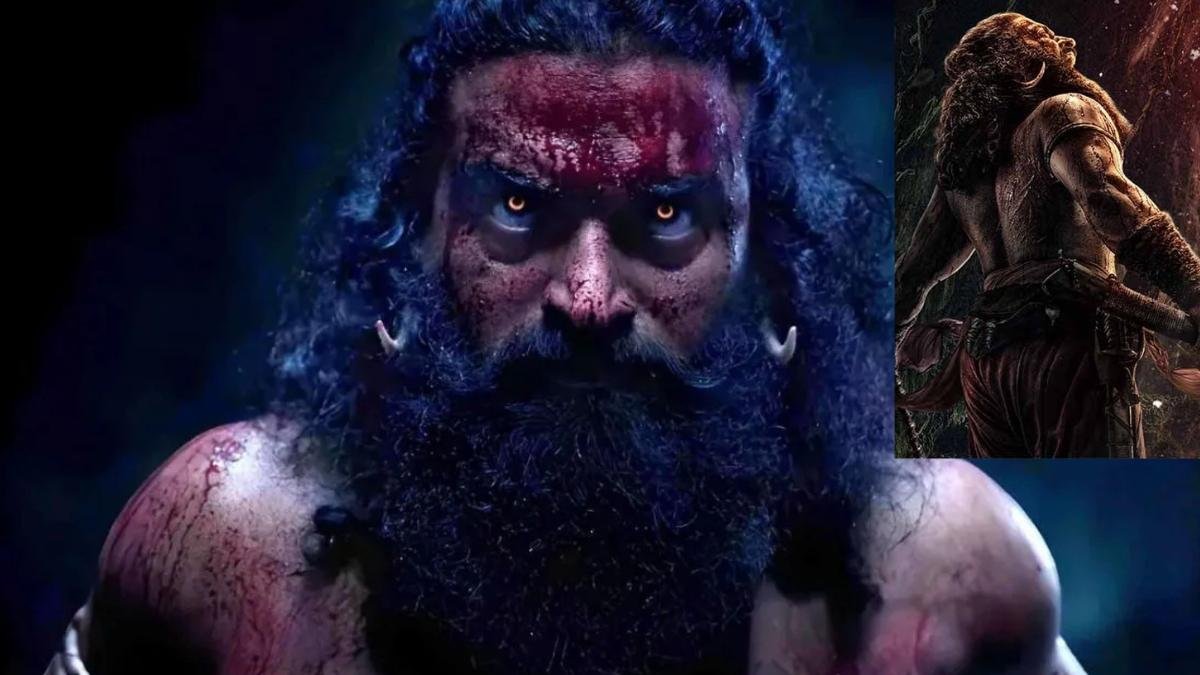

Trailer dekhte hi dimaag mein teen images chipak जाती हैं—जंगल, जंग, और divine guardianship का वादा. Kantara: A Legend — Chapter 1 ek prequel hote hue Panchurli, Naga Sadhu aur Bhoota Kola jaise concepts ko front-foot par laata है. Aapne bhi सोचा होगा: “Yeh Panchurli ka exact role kya hai? Naga Sadu ‘bridge’ ka matlab?” Chaliye, simple Hinglish mein decode karte हैं—facts ke saath, bina sensationalism.
Byline: By Priya Mehra, Bollywood News Specialist – Fact-checked and reviewed by our editorial team – Updated 23 September 2025, 4:00 pm IST
Highlights / ख़ास बातें
- TOI trailer breakdown ke mutabik, Rishab Shetty Nagasadu Veera play kar रहे हैं—“bridge between humans and the gods” wali positioning, aur Panchurli ki background ko trailer khud hint karta है. (The Times of India)
- Folklore focus: Bhoota/Daiva Kola Tulunadu ki ritual tradition hai—guardian spirits ke through land, justice, community se जुड़ी guidance milti है. (Wikipedia)
- Prequel time-setting ko media coverage Kadamba era (c. 300 CE) tak ले जाती है—yaani origin-story vibe. (Cinema Express)
पृष्ठभूमि और संदर्भ (Background & Context)
कांतारा (2022) ne Tulunadu ke bhoota/daiva tradition ko mainstream laaya. Prequel Kantara: A Legend — Chapter 1 me trailer straight-up batata hai ki is baar Panchurli (boar-spirit/daiva) ki kahani aur Nagasadu Veera ki role-arc center me hogi—yani divine-human bridge ki trope ko aur detail milegi. TOI ke photo-story style breakdown me Panchurli ki background aur “bridge between gods & humans” framing explicitly highlight hoti है. (The Times of India)
Is universe ka cultural anchor hai Bhoota Kola—ek highly-stylised ritual jahan performer medium samajh aur prakriti ke beech guardian-spirits ka sandesh deta है; iss tradition ko Kantara (2022) ne pop-culture me restore kiya. (Wikipedia)
मुख्य विश्लेषण (The Core Analysis)
1) Panchurli ka archetype: protector-spirit, crops & community
Regional studies describe Panjurli ko boar-spirit/protector ke roop me—khet-khalihan aur jungle ke beech land-guardianship ka symbol. Oral lore me yeh विनाशक नहीं, रक्षक trope hai—wild boars se crops ko bachana, community ke disputes me daiva-justice ka moral anchor. PeepulTree/LHI jaise cultural explainers aur knowledge repositories isko Tulunadu ki living culture ke रूप me map karte हैं. (PeepulTree World)
2) Naga Sadu ≠ generic ascetic; yeh “conduit” trope hai
TOI trailer breakdown me Rishab Shetty ka character Nagasadu Veera ek warrior-mystic conduit ki तरह frame hota है—yaani human world se daiva world ke बीच पुल. Yeh trope divine mandate ko human action se जोड़ता है: jab land/forest ka nyay बिगड़ता है, to conduit ritual-ethos ke saath front पर आता है. (The Times of India)
“Nagasadu Veera…a bridge between humans and the gods; trailer showcases the background of Goddess Panchurli.” — Times of India trailer breakdown. (The Times of India)
3) Divine land-guardianship: forest, faith aur nyay ka triangle
Divine land-guardianship ka simple अर्थ: zameen aur jungle ke अधिकार ko sacred trust maana jata hai—aur guardian spirits us trust ke enforcers माने जाते हैं. Folklore me disputes (forest access, crops, local justice) ko daiva mediation se resolve kiya jata—yehi Kantara series ki heartbeat hai. Hindustan Times ke trailer context me bhi folklore deep-dive aur ancestral ties ko stress kiya gaya है. (Hindustan Times)
4) Time-setting & lore depth: Kadamba era ka use क्यूँ smart है
Cinema Express jaise coverage Kadamba dynasty (approx. 4th–5th century) ki taraf इशारा karte हैं—origin-myth ko historical texture milta है: kingship, sacred stones (Daivastana), aur ritual justice ka जनम। Ye setting prequel ko sirf backstory nahi, ek civilizational memory deti है. (Cinema Express)
इंडस्ट्री और एक्सपर्ट्स की राय (Industry & Expert Opinions)
“Trailer me Goddess Panchurli ki background aur Nagasadu Veera as a bridge clearly pitched hai—myth, action, divinity ka mix brand-new scale par.” — Times of India breakdown. (The Times of India)
“Bhoota Kola Tulunadu ka shamanistic ritual hai—guardian spirits ke माध्यम se community aur prakriti ke saath ek living pact.” — Encyclopedic overview. (Wikipedia)
इसका क्या मतलब है? (The Bigger Picture)
Aap ke liye yeh explainer isliye important है kyunki Kantara-verse ke emotions sirf action se नहीं, balki ritual ethics se भी drive होते हैं. Jab trailer me aap Naga Sadu ko युद्ध में dekhte हैं, to background me chal रही community-land-justice की sacred philosophy ko samajhna अगले scenes ko aur अर्थपूर्ण बनाता है.
अब तक की जानकारी (Key Lore Points So Far)
| टर्म | Simple Hinglish अर्थ | Context in Chapter 1 |
|---|---|---|
| Panchurli (Daiva) | Boar-spirit; protector archetype | Crops/land ko guard karne wala guardian; trailer me background hints. (PeepulTree World) |
| Naga Sadu / Nagasadu Veera | Warrior-mystic conduit | Human-divine bridge; Rishab Shetty ka role positioning. (The Times of India) |
| Bhoota/Daiva Kola | Shamanistic ritual-performance | Guardian-spirits ke माध्यम se justice/mediation; Tulunadu tradition. (Wikipedia) |
| Kadamba-era setting | Origin-myth time-frame | Prequel ko civilizational depth; kingship & sacred sites. (Cinema Express) |
FAQ Section
Q1. Trailer me “bridge between gods & humans” line ka source?
Times of India trailer breakdown me Nagasadu Veera ko isi तरह describe kiya gaya है, saath hi Goddess Panchurli background ka bhi zikr है. (The Times of India)
Q2. Panchurli exactly कौन हैं—devta, spirit, ya deity?
Tulunadu tradition me daiva/bhoota category—lokal guardian-spirit jo crops/community ko protect karta है; boar-spirit archetype widely documented hai. (PeepulTree World)
Q3. Kya prequel real rituals pe based hai?
Yes, Bhoota/Daiva Kola ek living ritual hai—sacred performance, mediation aur ancestral ties. Film fictional narrative use karti है, par cultural bedrock real traditions se लिया गया है. (Wikipedia)
Source Links
- Times of India—Trailer breakdown: Nagasadu Veera as bridge; Panchurli background. (The Times of India)
- Hindustan Times—Trailer deeper look at folklore & ancestry. (Hindustan Times)
- Cinema Express—Kadamba-era context & origin setup. (Cinema Express)
- Encyclopedic explainer—Bhoota/Daiva Kola ritual overview. (Wikipedia)
- Cultural backgrounders—Panjurli/Guliga daiva traditions (context). (PeepulTree World)